DDoS protection for offshore hosting helps protect uptime, traffic, revenue, and customer trust. A distributed denial-of-service attack can flood a website or server with unwanted traffic until real users cannot access the service.
VeltrixHost gives users hosting options for websites, VPS projects, and dedicated workloads. You can check available hosting services before choosing resources for your project.
What Is a DDoS Attack?
A DDoS attack sends a large amount of traffic from many sources toward a server, website, or application. Attackers usually try to overload resources and interrupt access for real visitors.
Cloudflare explains this attack type in its DDoS learning guide.
Why Offshore Websites Need Protection
Offshore websites can attract attention because they often host independent publishers, communities, privacy-focused projects, competitive businesses, and high-traffic platforms.
Therefore, protection matters for both small and large projects. Even a short outage can reduce sales, damage trust, and interrupt users.
Network Layer and Application Layer
Network-level protection helps against traffic floods. Application-level protection helps against attacks that target login pages, APIs, forms, search tools, and expensive database actions.
For better results, combine firewalls, rate limits, caching, CDN services, monitoring, and secure application settings.
How VPS Users Can Improve Security
If you use a VPS, update the operating system, close unused ports, configure firewall rules, secure SSH, and monitor load.
For WordPress, limit login attempts, protect XML-RPC if you do not need it, update plugins, use strong passwords, and enable caching.
When Dedicated Servers Make Sense
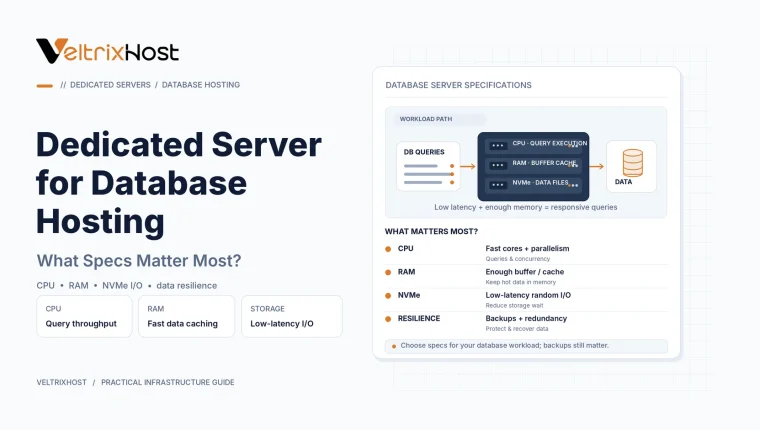
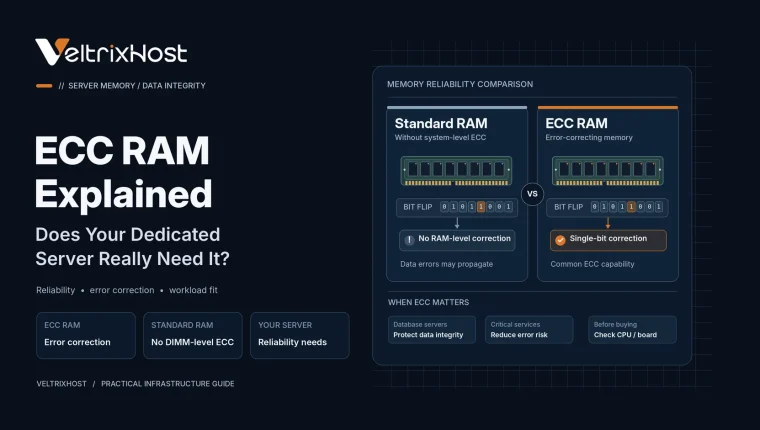
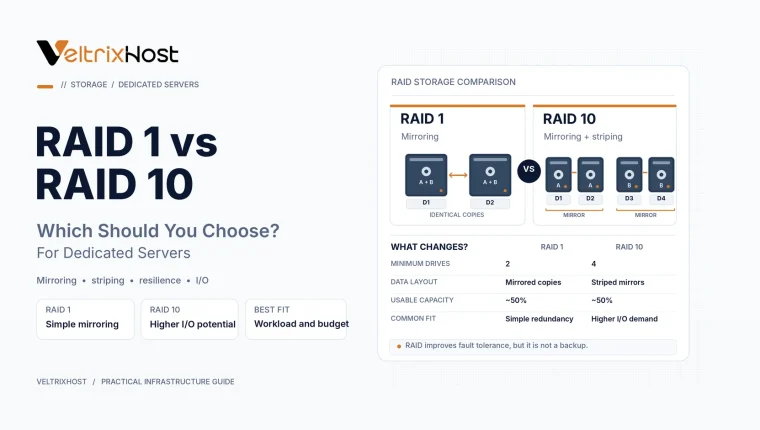
If your site faces frequent traffic spikes or attacks, dedicated servers can provide more resource headroom. A dedicated machine can handle heavier workloads than small shared or VPS plans.
For demanding projects, review VeltrixHost server plans.
Final Recommendation
DDoS protection for offshore hosting should be part of every serious website plan. Combine strong infrastructure, caching, firewalls, monitoring, and good application security to improve uptime.
FAQs
Why is DDoS protection important?
It helps websites stay online during malicious traffic attacks and protects user access.
Can VPS hosting handle attacks?
A VPS can handle some traffic pressure, but serious attacks need network-level protection and careful configuration.
Does caching help?
Yes, caching can reduce server load and help absorb some application-level traffic spikes.